Wisdom Teeth Removal Oxnard CA: Managing Swelling and Discomfort
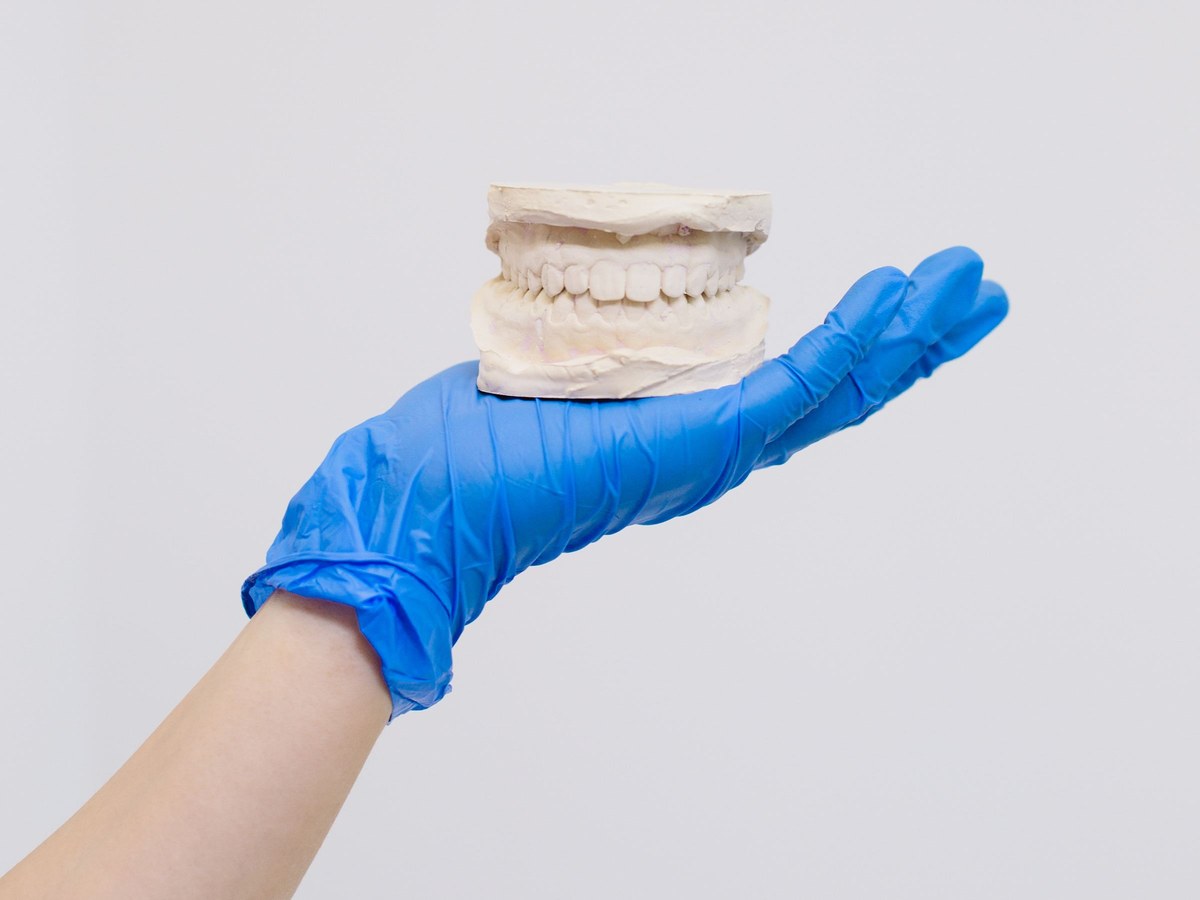
Wisdom teeth removal is one of those procedures that sounds more intimidating than it often turns out to be, yet the recovery is real enough that patients remember it vividly. Most people do not struggle with the actual surgery nearly as much as they struggle with the first few days afterward, when swelling peaks, the jaw feels tight, and even simple tasks like talking, sleeping, or sipping water take a little planning. If you are preparing for Wisdom Teeth Removal Oxnard CA, or helping a family member through it, the most useful thing to understand is this: some swelling and discomfort are expected, but they are also manageable when you know what is normal, what helps, and when to call your oral surgeon.
In practice, the patients who recover most smoothly are not always the ones with the easiest extractions. They are usually the ones who follow the small instructions carefully. They rest before trying to get back to normal. They stay ahead of pain instead of waiting for it to build. They use cold therapy correctly, keep the mouth clean without overdoing it, and understand that recovery has a rhythm. Day one feels different from day three. Day three feels different from day seven. Knowing that pattern helps people stay calm.
Why swelling happens after wisdom teeth removal
Swelling is the body’s response to surgical trauma. Even when a wisdom tooth comes out cleanly, the surrounding gum tissue, bone, and ligaments have been manipulated. If the tooth was impacted, especially if it was partially trapped under gum or bone, the body has even more healing work to do. Blood vessels in the area widen, fluid moves into the tissues, and the jaw and cheeks may look puffy. That is not a sign that something went wrong. It is the normal early phase of healing.
The amount of swelling varies from person to person. Age matters. The position of the wisdom teeth matters. Four erupted teeth removed in a healthy teen often produce a very different recovery from two deeply impacted lower wisdom teeth removed in an adult in their late twenties. Some patients barely swell. Others look noticeably fuller through the lower face for several days. Neither experience is unusual.
One detail surprises many patients: swelling often gets worse before it gets better. The face may look relatively normal on the day of surgery, then appear more swollen on the second or third day. That can be unsettling if no one warned you. It is also typical. The peak commonly lands around 48 to 72 hours after the procedure, then gradually starts to recede.
The first 24 hours set the tone
The first day after surgery matters because it is when bleeding control, clot protection, and inflammation management begin. People who push too hard in those first hours often make themselves more uncomfortable than necessary. I have seen patients feel decent immediately after surgery, assume they are doing great, and then spend the evening walking around, talking constantly, eating the wrong foods, or skipping their medication schedule. By midnight, they are sore, swollen, and frustrated.
A quieter first day usually pays off. Think of it less like “getting the procedure over with” and more like the beginning of a short recovery period that deserves your attention. That means arranging a comfortable place to rest, keeping water nearby, and having soft foods ready before the appointment rather than scrambling afterward.
Here are the priorities for that first day:
- Protect the blood clots by avoiding vigorous rinsing, spitting, smoking, and drinking through a straw.
- Use ice packs on the outside of the face in short intervals, as directed by your surgeon.
- Take prescribed or recommended pain medication on schedule, before numbness fully wears off if advised.
- Stick to cool or lukewarm soft foods and steady hydration.
- Rest with your head slightly elevated instead of lying completely flat.
Those five habits do a surprising amount of work. They reduce bleeding, limit swelling, and lower the odds of a miserable first night.
Cold first, warmth later
Cold therapy helps most during the first day or so because it narrows blood vessels and slows the inflammatory response. Patients often hear “use ice” but miss the part that matters most: use it intermittently. A pack pressed continuously against the cheek for hours is not better. A practical pattern is about 15 to 20 minutes on, then 15 to 20 minutes off, repeated while awake during the early recovery period. A thin cloth between the skin and the cold pack helps prevent irritation.
After the first 24 to 48 hours, depending on your surgeon’s instructions, gentle warmth may be more helpful than ice. By then, the goal shifts. Instead of trying to prevent swelling, you are trying to encourage circulation and ease jaw stiffness. A warm compress can be comforting, particularly for lower wisdom tooth extractions where the muscles of the jaw feel sore and resistant.
People sometimes worry when one side swells more than the other. That can happen simply because one tooth was more difficult to remove. Symmetry is not guaranteed. What matters more is the overall trend. If one side becomes progressively harder, hotter, redder, or more painful after the expected peak period, that deserves a call to the office.
Pain control works best when it is proactive
Discomfort after wisdom teeth removal usually comes from a mix of tissue inflammation, pressure, jaw soreness, and difficulty opening wide. For many patients, it feels less like sharp pain and more like an aching, throbbing heaviness centered in the back of the mouth and extending into the cheeks or ears. That said, the experience varies. Lower impacted teeth tend to cause more soreness than upper erupted teeth. If stitches were placed, the area may also feel tight.
The biggest mistake patients make is waiting until pain becomes severe before taking medication. It is harder to catch up once pain escalates. If your oral surgeon gives you a medication plan, follow it exactly. If the recommendation is over the counter medication, use it according to the instructions you were given and according to the product label. Some patients do well with alternating medications when explicitly advised by their clinician. Others need a stronger prescription for the first day or two. There is no heroism in under-treating pain and losing sleep.
Food in the stomach matters here. Pain medicine on an empty stomach can cause nausea, and nausea after oral surgery is especially unpleasant. Even a few spoonfuls of applesauce, yogurt, mashed potatoes, or pudding can help buffer the stomach if you are allowed to eat.
One practical point that gets overlooked: set alarms. The fogginess after sedation, the odd schedule, and the temptation to “sleep through it” lead people to miss doses and wake up much more uncomfortable. The goal is not to take more medication than necessary. The goal is to avoid the sharp rise and fall that makes recovery feel chaotic.
Eating without aggravating the surgical sites
Most patients can eat on the same day, but they need to adjust expectations. This is not the time for crunchy, spicy, acidic, or very hot foods. It is also not the time to test whether you can chew “carefully” on one side. Small particles from chips, rice, nuts, or seeded bread can irritate the extraction areas. Temperature matters too. Very hot soup can increase bleeding early on.
The safest approach is soft, bland, easy-to-swallow food at first. Smooth yogurt, oatmeal cooled to lukewarm, mashed potatoes, scrambled eggs, cottage cheese, smoothies eaten with a spoon, and blended soups are all common choices. As discomfort decreases, patients can slowly work back toward more texture. By the third or fourth day, many can handle soft pasta, flaky fish, pancakes, or tender vegetables. Recovery is not a contest. If chewing feels like work, the tissues are telling you to back off.
Hydration deserves equal attention. A dry mouth feels worse, and mild dehydration often shows up as fatigue, headache, or increased nausea. Sip regularly. Water is best. Avoid alcohol while taking pain medication and avoid carbonated drinks if they feel irritating. Sports drinks can be useful in moderation if you have not eaten much, but plain water should still do most of the work.
The part patients underestimate, jaw stiffness
Swelling gets most of the attention because it is visible, but trismus, or jaw stiffness, is often what bothers people most by day two or three. The chewing muscles can become sore and guarded after surgery, especially when lower wisdom teeth were impacted. Patients describe it as feeling like the jaw “doesn’t want to open.” That sensation can make oral hygiene, eating, and even speaking frustrating.
Mild stiffness is common and usually improves as swelling recedes. Gentle movement helps, but the key word is gentle. Forced stretching is rarely productive in the early period. Warm compresses later in recovery can help relax the muscles. So can taking your time with meals instead of trying to chew through discomfort. If you have ever clenched your jaw during stress and felt the ache near the ears the next day, the principle is similar. Overworked tissue resists.
If jaw opening becomes progressively worse rather than gradually better, or if it stays significantly limited beyond the expected recovery window, the surgeon should know. Most of the time it is temporary postoperative muscle guarding. Occasionally it points to a need for closer follow-up.
Keeping the mouth clean without disturbing healing
Good oral hygiene lowers the risk of infection and helps the mouth feel less unpleasant. The challenge is finding the balance between neglect and overzealous cleaning. On the day of surgery, patients are often told not to rinse vigorously. After that initial period, gentle saltwater rinses usually become part of the routine, assuming your surgeon has advised them. The rinse should be light, more a soak and tip of the head than a forceful swish. Let the liquid fall from the mouth rather than spitting hard.
Brushing still matters. Teeth that were not operated on should be brushed normally. The back area near the extraction sites should be approached carefully. A soft toothbrush and slow hand make all the difference. Patients sometimes avoid brushing entirely because they are nervous, then develop a coated mouth, bad taste, and extra irritation from plaque accumulation. Clean mouths heal better.
A bad taste alone is not always a sign of infection. Blood breakdown, food debris, dry mouth, and medication can all alter taste. What matters is the whole picture. Foul taste plus increasing pain, significant swelling, fever, or pus is more concerning than taste by itself.
Dry socket, what it feels like and why prevention matters
No discussion of wisdom tooth recovery is complete without addressing dry socket. Patients hear the term often, but many do not know what it actually feels like. Dry socket happens when the blood clot in the extraction site is lost or fails to develop properly, leaving the underlying bone and nerves less protected. It is much more common in lower extraction sites than upper ones.
Typical postoperative soreness usually starts to improve after the first couple of days. Dry socket often behaves differently. A patient may feel as though things are going reasonably well, https://telegra.ph/Wisdom-Teeth-Removal-Oxnard-CA-Important-Tips-for-a-Smooth-Procedure-09-28 then develop a deeper, more intense pain several days after surgery, often radiating toward the ear, temple, or along the jaw. The socket may look empty or have an unpleasant odor. The pain tends to feel out of proportion to what over the counter medication should handle.
Prevention circles back to the same advice patients sometimes tire of hearing: no smoking, no straws, no aggressive spitting, no vigorous rinsing early on. Those are not arbitrary rules. They are aimed at protecting the clot.
What is normal, and what deserves a phone call
The challenge with any surgical recovery is knowing whether what you are feeling is part of the expected course or the beginning of a complication. Mild oozing, facial puffiness, bruising, sore throat, jaw tightness, and fatigue can all fall within the normal range. Some people also notice that swelling travels slightly downward into the neck or that bruising appears yellow, green, or purple as it resolves. That progression can look dramatic and still be harmless.
There are, however, situations that should not be brushed aside. If you are recovering after Wisdom Teeth Removal Oxnard CA, contact your surgeon promptly if you notice any of the following:
- Bleeding that remains heavy and does not slow despite firm gauze pressure.
- Swelling that keeps worsening after the third day, especially with heat, redness, or fever.
- Severe pain that spikes after initial improvement, particularly if it radiates to the ear or jaw.
- Trouble swallowing, breathing, or opening the mouth enough to take fluids.
- Persistent nausea, vomiting, rash, or any concerning reaction to medication.
Most postoperative questions do not end in emergencies. They end with reassurance, a medication adjustment, or a quick office visit to check healing. Still, it is better to ask than to wait and worry.
Sleep, stress, and the recovery factors nobody likes to talk about
The mechanics of healing get a lot of attention. The human side often gets less. Sleep quality, anxiety, and household logistics affect recovery more than patients expect. A college student recovering in a noisy apartment has a different experience from a teenager resting at home with a parent bringing ice packs and soup. A parent trying to recover while caring for small children is not really resting. A person who is anxious about every sensation may perceive more pain simply because the nervous system is already activated.
That does not mean symptoms are “in your head.” It means recovery is physical and psychological at the same time. Better sleep lowers pain sensitivity. Calm breathing helps reduce jaw clenching. A dark room, head elevation, and taking medication before the ache becomes pronounced can turn a rough night into a manageable one. If you tend to grind your teeth when stressed, being aware of that habit during the healing period can help. Gentle awareness of the jaw, lips relaxed, teeth apart, often reduces some of the secondary muscle pain people blame entirely on the extraction.
Recovery timelines are not identical
Patients love a clear timeline. Surgeons can give good estimates, but individual recovery does not follow a script. Someone with simple upper wisdom teeth removal may feel mostly normal in a few days. Another person with deeply impacted lowers may still be swollen and eating carefully a week later. Both can be progressing appropriately.
As a broad pattern, the first day centers on bleeding control and numbness wearing off. The second and third days often bring peak swelling and stiffness. Days four through seven usually mark a turning point where discomfort starts to ease and function improves. Soft tissue closure continues after that, and the deeper bone remodeling goes on much longer than patients realize. Feeling mostly better does not mean the area is fully healed.
That difference matters when people decide to return to workouts, travel, or social plans. If you have a major event coming up, schedule wisdom teeth removal with more buffer than you think you need. A wedding, public speaking engagement, or long flight two days later is rarely ideal.
Choosing support and setting expectations in Oxnard
For patients seeking Wisdom Teeth Removal Oxnard CA, local planning helps. Traffic, pharmacy access, and having a reliable escort after sedation matter on the practical side. So does knowing where to get answers after hours if something feels off. Before the day of surgery, make sure you understand who to call, when you can start rinsing, what medication schedule to follow, and whether your case carries any added considerations, such as difficult impactions, existing gum inflammation, or a higher dry socket risk.
The smoother recoveries I have seen usually start before the procedure even begins. The patient has cold packs ready in the freezer, soft foods in the kitchen, prescriptions already picked up, and a realistic expectation that the weekend may be quieter than planned. That preparation does not eliminate swelling or discomfort, but it strips away the avoidable stress.
A steadier recovery is usually a simpler one
People often search for special tricks, miracle foods, or unusual remedies to get through wisdom tooth recovery faster. Most of the time, the basics win. Protect the clot. Control inflammation early. Stay hydrated. Keep the mouth clean gently. Take medication responsibly. Rest more than feels necessary. Watch the trend rather than overreacting to every hour.
Swelling and discomfort after wisdom teeth removal are not pleasant, but they are also temporary. When patients understand the normal arc of healing, they tend to feel less alarmed by the puffy cheeks, limited jaw opening, or sore first few nights. And when something does fall outside the expected pattern, recognizing it early makes it easier to address.
That is the practical heart of recovery after Wisdom Teeth Removal Oxnard CA. Respect the process, prepare for a few uneven days, and let healing do its work.
Oxnard Dentistry
1730 E Gonzales Rd
Oxnard, CA 93036, United States
Phone: +1 805-307-8731
FAQ About Wisdom Teeth Removal Oxnard CA
How much does it cost to get wisdom teeth removed in California?
Fees depend on tooth position, the number of extractions, imaging and anesthesia. Oxnard Dentistry can provide an individual estimate after examining your teeth. Ask for an itemized plan and confirm insurance benefits before scheduling.
Will insurance cover wisdom teeth removal?
Coverage and out-of-pocket costs vary by policy and the treatment required. Ask the dental office and your insurer to verify benefits, annual limits and any authorization requirements. A benefit estimate does not guarantee payment.
Is 30 too old to have wisdom teeth removed?
Age alone does not determine whether extraction is appropriate. A dentist evaluates symptoms, tooth position, oral health and medical history. Healthy, functional wisdom teeth may be monitored; teeth causing disease or other problems may need treatment.