A Complete Guide to Wisdom Teeth Removal Oxnard CA
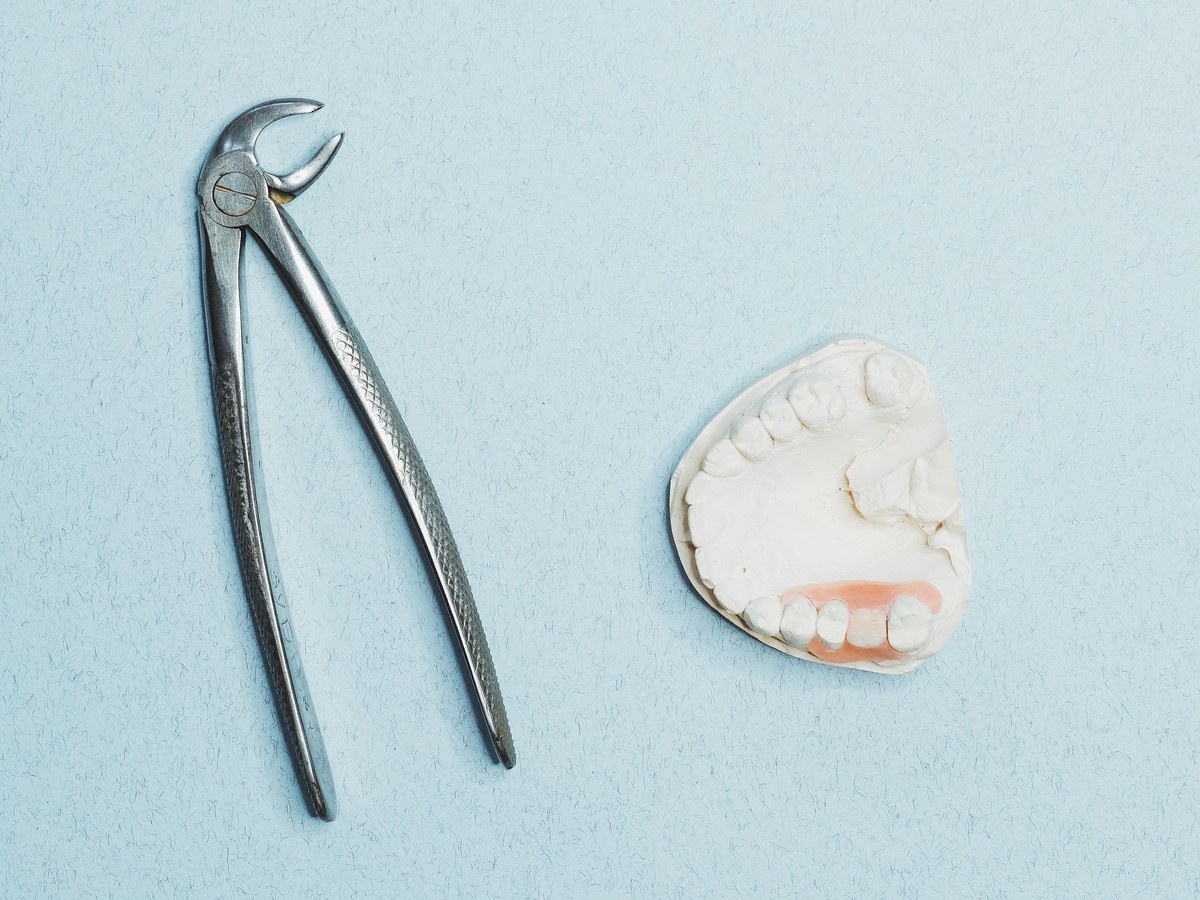
Wisdom teeth have a way of staying quiet for years, then suddenly demanding attention all at once. A college student feels pressure in the back of the jaw during finals. A parent in their thirties develops swelling around a partially erupted molar that had never caused trouble before. Someone else learns during a routine cleaning that a wisdom tooth is pressing against a neighboring tooth, even though nothing hurts yet. In practice, all three scenarios are common.
If you are researching Wisdom Teeth Removal Oxnard CA, you are probably trying to answer a few urgent questions. Do all wisdom teeth need to come out? How do you know when removal is necessary? What does recovery actually feel like, and how long does it take before you can return to work, school, the gym, or normal meals? Those are the questions that matter most, and the answers depend on more than age alone.
Wisdom teeth, also called third molars, are the last adult teeth to develop. They usually emerge in the late teens or early twenties, though some people never develop all four. Others have wisdom teeth that remain trapped in the jawbone or gum tissue, a condition called impaction. The reason these teeth create so many problems is simple: modern jaws often do not have enough room for them. When space is tight, wisdom teeth can come in crooked, stay partially buried, collect bacteria around the gums, or crowd neighboring teeth.
In a place like Oxnard, where patients range from high school athletes to busy agricultural workers, office professionals, and military families, timing matters. People do not just want a diagnosis. They want a practical plan that fits their health, schedule, budget, and recovery expectations.
Why wisdom teeth become a problem
Some wisdom teeth erupt normally and never need treatment. That is less common than people hope, but it does happen. When a wisdom tooth is fully erupted, positioned correctly, easy to clean, and not affecting nearby teeth or gums, a dentist or oral surgeon may simply monitor it. The trouble starts when one or more of those conditions is missing.
The classic problem is impaction. A wisdom tooth can be completely impacted, meaning it stays under the gum and bone, or partially impacted, meaning part of the tooth breaks through but not enough for proper cleaning. A partially erupted tooth is often the worst of both worlds. Food and bacteria collect around the gum flap, inflammation develops, and infection can follow. Patients often describe a bad taste, soreness when chewing, or swelling near the back of the mouth that seems to come and go.
Position matters too. A wisdom tooth may angle toward the second molar, lean backward, or remain horizontal. When that happens, pressure can damage the adjacent tooth or create decay in places that are hard to see and harder to clean. I have seen cases where the wisdom tooth itself seemed fine, but the second molar in front of it developed a cavity or periodontal defect because of the contact point and trapped debris. By the time discomfort appears, the neighboring tooth may already need significant treatment.
Age also affects the conversation. Wisdom teeth are often easier to remove in the late teens and early twenties because the roots may be less fully formed and the surrounding bone can be less dense. That does not mean adults in their thirties, forties, or beyond cannot have safe extractions. They can, and often do. It just means the procedure and recovery may require more planning.
Signs that point toward removal
Pain is the symptom most people notice first, but it is far from the only one. Some patients have no pain and still need treatment based on imaging and exam findings. Others have intermittent symptoms for months before realizing the issue is not going away on its own.
Here are some of the most common signs that wisdom teeth may need closer evaluation:
- Swelling, tenderness, or repeated soreness in the back of the mouth
- Difficulty opening the jaw fully or pain when chewing
- Food trapping and persistent bad breath near the last molars
- Gum infection around a partially erupted tooth
- Pressure against neighboring teeth seen on X-rays
A single episode does not automatically mean extraction is necessary. Sometimes inflamed gum tissue improves with cleaning, irrigation, or a short course of treatment. But recurrent symptoms usually tell a clearer story. If the same area flares up repeatedly, the underlying anatomy has not changed. The space is still limited, the tooth is still hard to clean, and the risk tends to remain.
What a consultation in Oxnard typically involves
A proper wisdom tooth consultation is not just a quick glance in the mouth. It should combine a clinical exam, a review of symptoms, medical history, and imaging. Panoramic X-rays are commonly used because they show the jaws, the position of the wisdom teeth, and their relationship to nearby structures. In some cases, especially when lower wisdom teeth appear close to a major nerve or upper wisdom teeth are near the sinus, three-dimensional imaging may be recommended.
This is where judgment matters. Not every impacted tooth carries the same level of difficulty. A vertically positioned tooth in a younger patient may be straightforward. A deeply impacted lower tooth with curved roots near the inferior alveolar nerve is a different case entirely. An experienced provider will explain that difference clearly, because the surgical plan, sedation options, and consent discussion should reflect it.
Patients looking into Wisdom Teeth Removal Oxnard CA should expect a conversation that covers more than the extraction itself. The best consultations also address work or school downtime, transportation after sedation, prescription needs, postoperative support at home, and the patient’s tolerance for uncertainty. Some people want to remove all four wisdom teeth at once if they are likely to become a problem. Others have only one symptomatic tooth and need help deciding whether to treat that tooth alone or take a broader preventive approach.
Do all four wisdom teeth need to be removed at the same time?
Not necessarily. Plenty of patients have one or two problematic wisdom teeth while the others remain stable. The decision depends on anatomy, risk, age, and practicality.
There are good reasons many people choose to remove all indicated wisdom teeth during one appointment. It often means one sedation event, one recovery period, and fewer disruptions to school or work. For younger patients with multiple impacted or poorly positioned third molars, this approach can be efficient and sensible.
Still, there are situations where a staged approach makes more sense. A patient with a complex lower impaction near a nerve may benefit from a focused plan. Someone with medical considerations, childcare constraints, or a demanding job might choose to address the most urgent tooth first. There is no prize for making treatment larger than necessary. The goal is appropriate care, not aggressive care.
Choosing between local anesthesia, sedation, and general anesthesia
One of the biggest sources of anxiety is the question of being awake. Patients often use terms like “put to sleep” loosely, but those words can mean different things in an oral surgery setting.
Local anesthesia numbs the area and is enough for some simpler removals, especially if the teeth are fully erupted. You are awake, but the site is numb. Pressure is normal, pain is not. For calm patients with straightforward extractions, this can work well.
Sedation adds another layer of comfort. Depending on the technique used, patients may be deeply relaxed, drowsy, and have little memory of the procedure. This is a common choice for impacted wisdom teeth because it makes the experience easier for both patient and surgeon.
General anesthesia is used in selected settings depending on case complexity, provider training, and patient factors. The right option depends on the difficulty of the extraction, medical history, anxiety level, and the clinical environment. A responsible office will review fasting instructions, medication adjustments, transportation needs, and recovery monitoring in detail before the procedure.
What the surgery itself is usually like
Wisdom tooth removal can take less time than many patients expect, especially when the plan is clear and the teeth have been carefully evaluated in advance. For erupted teeth, extraction may resemble a standard tooth removal. For impacted teeth, the surgeon may need to open the gum tissue, remove a small amount of bone, and section the tooth into pieces for safer removal.
That sounds dramatic on paper, but in skilled hands it is routine oral surgery. Patients under sedation often feel like the procedure passed in minutes. Afterwards, the mouth is packed with gauze, instructions are reviewed, and the main job becomes managing the first twenty four to seventy two hours well.
Stitches may or may not be used. If they are, many are dissolvable. Swelling generally peaks around the second or third day, not the first night, which catches some people off guard. That delay is normal. The absence of severe pain on day one does not mean you can immediately return to tacos, hot coffee, and the gym.
The first few days after removal
Recovery is where expectations matter. Most healthy patients recover without major issues, but the first week requires some discipline. The body heals better when patients actually follow instructions instead of improvising.
The first day is about bleeding control, rest, hydration, and staying ahead of discomfort. Mild oozing is common. Heavy bright red bleeding that soaks gauze repeatedly is less common and deserves a call to the office. Cold packs help with swelling. Pain medication, whether prescription or over the counter, works best when taken on schedule early rather than waiting until the numbness disappears completely and pain spikes.
Food is another area where people either do very well or make recovery harder than it needs to be. Soft, cool foods are usually safest at first. Yogurt, smoothies eaten with a spoon, mashed potatoes, eggs, oatmeal once it is not too hot, soup that has cooled, and well-cooked pasta are common choices. Tiny hard foods like chips, nuts, popcorn, and rice can be frustrating because they slip into the surgical areas and irritate healing tissue.
This short recovery checklist covers the essentials:
- Rest with your head slightly elevated on the first day
- Use ice packs during the first twenty four hours in short intervals
- Avoid straws, smoking, and forceful spitting
- Take medications exactly as directed
- Stick to soft foods and steady hydration
Most patients can return to light daily activities within a day or two, but strenuous exercise should usually wait several days, sometimes longer depending on swelling, pain control, and the complexity of surgery. A common mistake is resuming workouts too early, which can restart bleeding or increase throbbing.
Dry socket, infection, and other complications people worry about
Dry socket is the complication patients talk about most, usually because they have heard a horror story from a friend. It happens when the blood clot that should protect the extraction site is lost or breaks down too soon, exposing bone and sensitive tissue. The result is often a deep, throbbing pain that starts a few days after surgery and may radiate toward the ear.
Not every postoperative ache is dry socket. Normal healing includes soreness, swelling, stiffness, and fatigue. Dry socket tends to stand out because the pain intensifies after an initial period of improvement or remains unusually severe despite medication. Smoking is a known risk factor. Straws, vigorous rinsing too early, and poor clot stability can also contribute.
Infection after wisdom tooth removal is less common than routine swelling and discomfort, but it can happen. Warning signs include increasing swelling after the expected peak, fever, pus, foul taste that does not improve, or worsening pain rather than gradual improvement. Some lower wisdom tooth sites also heal more slowly simply because food can settle into the area as the gum closes. That does not always mean infection, but it may require irrigation instructions or follow-up.
Nerve irritation is another issue that deserves honest discussion, especially with lower wisdom teeth. In some cases, the roots lie close to the nerve that supplies feeling to the lower lip, chin, and tongue region. Most patients do not experience nerve problems, and many temporary numbness changes resolve over time, but the possibility should be explained when anatomy suggests higher risk. This is one reason imaging and case selection matter so much.
How long healing really takes
People often ask, “When will I be fully healed?” There are two answers. Functional recovery, meaning you can work, eat more normally, and stop thinking about the extraction sites every hour, usually happens within several days to a couple of weeks. Deeper tissue and bone healing take much longer.
The socket gradually fills in over weeks and months. That does not mean you are incapacitated for months, only that the body continues remodeling well after the visible soreness is gone. If your procedure was more involved, jaw stiffness may linger for a bit. If you had all four teeth removed, the first week usually feels different from having one erupted upper wisdom tooth taken out. Recovery is not one-size-fits-all.
Teenagers and young adults often bounce back quickly, sometimes so quickly that they assume they are healed before they really are. Adults in their thirties and forties can also do very well, though swelling and muscle soreness may be more noticeable. The best predictor is not age alone but the combination of tooth position, surgical difficulty, overall health, and how closely postoperative instructions are followed.
Cost considerations in Oxnard
Cost is part of the decision for nearly every family, and it is reasonable to ask direct questions. https://ameblo.jp/jeffreyyzlu652/entry-12980026937.html Pricing varies based on several factors: whether the teeth are erupted or impacted, how deeply they are buried, whether bone removal or sectioning is needed, the type of anesthesia or sedation used, imaging requirements, and insurance benefits.
A meaningful estimate should separate surgical fees, anesthesia fees if applicable, imaging, and any pathology or medication costs when relevant. If you are comparing offices for Wisdom Teeth Removal Oxnard CA, make sure you are comparing similar treatment plans. A quote for local anesthesia on simple erupted teeth is not equivalent to a quote for four impacted teeth removed under sedation.
It also helps to ask practical questions. What happens if a tooth turns out to be more difficult than expected? Are follow-up visits included? Will the office coordinate a preauthorization with your dental insurance? Are payment plans available? Clear financial communication usually reflects a well-run practice.
Special situations that deserve extra care
Not every wisdom tooth case follows the standard script. Pregnancy, diabetes, bleeding disorders, immune suppression, and certain medications can affect timing and healing. Athletes planning around a season, students trying to fit surgery between semesters, and patients with severe dental anxiety all require a more tailored approach.
One overlooked group is adults who kept asymptomatic wisdom teeth for years and are only now hearing they may need removal. These cases deserve nuance. If a wisdom tooth has remained stable, fully erupted, and maintainable for decades, removal may not be necessary. If there is new decay, gum disease, food trapping, or damage to the adjacent tooth, the balance shifts. It is not about the calendar. It is about the condition of the tooth and the surrounding tissues today.
Another special situation involves second molars already affected by wisdom tooth positioning. Sometimes the real urgency is not the wisdom tooth itself but the risk to the tooth in front of it. Saving a healthy second molar often matters more than preserving a difficult third molar with limited function.
How to choose the right provider
Patients often focus first on availability and price, but experience and communication matter just as much. Wisdom teeth removal is common, yet common procedures still benefit from careful technique and good judgment. You want a provider who explains the X-ray findings clearly, discusses alternatives honestly, and does not minimize recovery or complications just to make the decision easier.
Pay attention to whether your questions are answered directly. If you ask about nerve proximity, sedation, time off work, or what happens if you develop pain over the weekend, the answers should be specific. Vague reassurance can feel comforting in the moment, but it is not a substitute for planning.
A strong practice also gives detailed postoperative instructions, offers a way to reach the clinical team with urgent concerns, and follows up appropriately. Patients remember that part. The technical part of surgery matters, of course, but so does the support around it.
Preparing for the appointment without making yourself miserable
The days before surgery are often filled with avoidable stress. Patients overread internet forums, buy half the pharmacy, and imagine every complication at once. A simpler approach usually works better. If you are having sedation, follow fasting and medication instructions exactly. Arrange a dependable ride home. Fill prescriptions ahead of time if the office advises it. Set up a comfortable recovery space with extra pillows, soft foods, water, gauze, and ice packs ready to go.
Then stop preparing. You do not need a survival bunker. You need a realistic plan for forty eight to seventy two hours of reduced activity and a willingness to take recovery seriously.
For many people in Oxnard, that may mean scheduling the procedure before a long weekend, asking a family member to stay nearby the first day, and resisting the urge to jump back into errands the same afternoon. The smooth recoveries usually look boring. Rest, medication, fluids, soft food, patience. It is rarely glamorous, but it works.
When watchful waiting is reasonable
Even in an article about removal, it is worth saying plainly that extraction is not always the right answer. If a wisdom tooth is healthy, properly positioned, fully erupted, and easy to clean, monitoring may be appropriate. Some patients do well for years with periodic exams and imaging.
The key is that watchful waiting should be active, not passive. It means regular evaluation, not forgetting the tooth exists until it becomes infected during a holiday weekend. If a provider recommends observation, ask what changes would trigger treatment later. That way you know what to watch for and do not mistake delay for neglect.
For patients considering Wisdom Teeth Removal Oxnard CA, the best next step is usually a consultation grounded in anatomy, symptoms, and practicality. Wisdom teeth have a reputation for drama, but most of the uncertainty eases once you know where the teeth are, what risks they pose, and what recovery is likely to involve. Good care turns a vague worry into a clear plan, and that alone makes the process much easier to handle.
Oxnard Dentistry
1730 E Gonzales Rd
Oxnard, CA 93036, United States
Phone: +1 805-307-8731
FAQ About Wisdom Teeth Removal Oxnard CA
How much does it cost to get wisdom teeth removed in California?
Fees depend on tooth position, the number of extractions, imaging and anesthesia. Oxnard Dentistry can provide an individual estimate after examining your teeth. Ask for an itemized plan and confirm insurance benefits before scheduling.
Will insurance cover wisdom teeth removal?
Coverage and out-of-pocket costs vary by policy and the treatment required. Ask the dental office and your insurer to verify benefits, annual limits and any authorization requirements. A benefit estimate does not guarantee payment.
Is 30 too old to have wisdom teeth removed?
Age alone does not determine whether extraction is appropriate. A dentist evaluates symptoms, tooth position, oral health and medical history. Healthy, functional wisdom teeth may be monitored; teeth causing disease or other problems may need treatment.